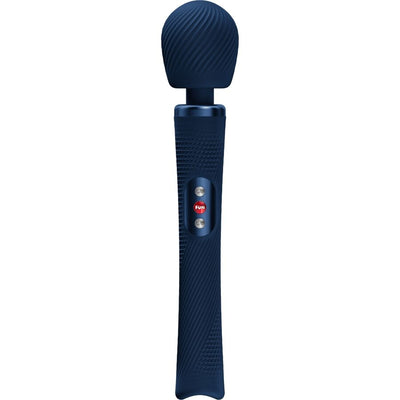
Stress and sexuality: 7 rituals to reconnect with your body
Stress and sexuality: 7 rituals to reconnect with your body
Have you ever noticed that the more stressed you are, the less you want sex? Or that,
Even when you're with someone you desire, your body seems "unplugged":
Head full, body elsewhere, pleasure in silent mode?
It's not "all in your head" in a negative sense. Studies show that
Chronic stress is one of the major saboteurs of the sexual response : decreased
Desire, difficulty becoming aroused, erectile dysfunction, decreased lubrication, more intense orgasm
difficult… In women, prolonged stress is associated with lower arousal
and less lubrication; in men, high cortisol levels are linked to
more erectile dysfunction. Hamilton – Chronic Stress and Sexual Function in
Women – Kobori – cortisol & erectile dysfunction
More recent studies even show that, on a daily basis , the more one feels
Stressed individuals experience less desire and excitement, in both women and men.
men. Conversely, some studies observe that quality sexual moments
can then lower cortisol and soothe the nervous system. Mües et al. –
Stress & Desire in Everyday Life – PsyPost Summary – Stress & Female Desire
The good news? You can't eliminate all stress from your life, but you can
Learn to reconnect with your body through simple, concrete, realistic rituals –
Alone or with a partner. If you also notice a decrease in libido , you can supplement this
guide with our article on the variations of desire and with the one on the benefits of
Pleasure for mental health . That's the whole point of this guide: 7 rituals to get through
gradually from "I'm tense, I don't want to do anything" to "my body is a little
"More available, a little more alive."

1. Why stress (really) kills the fun
When you're stressed, your body goes into survival mode: your sympathetic nervous system activates, your heart beats faster, your muscles tense, your brain scans for danger. This is useful for running from a tiger… much less so for relaxing naked in bed.
On a biological level, chronic stress increases cortisol , a hormone that can:
- disrupt sleep and recovery,
- reduce the production of certain sex hormones (such as testosterone),
- affect lubrication, erection, orgasm.
Studies show that high cortisol levels are associated with more erectile dysfunction and less satisfying sex, whereas in healthy men, cortisol tends to decrease during sexual response . Kobori – cortisol & male sexuality – Barham – cortisol & sexual response
In women, studies show that chronic stress is linked to lower arousal , decreased lubrication, and greater difficulty reaching orgasm. Hamilton – Chronic Stress and Sexual Function in Women – Kırat – sexuality, stress, anxiety & depression in women
In other words: if your desire decreases during periods of high sexual activity, your body is functioning normally . The goal isn't to force it, but to help it gradually return to a state of safety, slowness, and presence . If you'd like a broader perspective on the links between sexuality and mental well-being, you can also read our article dedicated to pleasure and mental health .
2. Ritual #1 – The “handbrake” breathing technique before any intimacy
Objective: to send the nervous system the message "the danger has passed", so that it will agree to open the door to pleasure.
How to do it (alone or with a partner)
- Sit or lie down with your back supported and your shoulders relaxed.
- Place one hand on your stomach, the other on your chest.
- Inhale through your nose for 4 seconds, allowing your belly to expand.
- Exhale through your mouth for 6 to 8 seconds, as if you were gently blowing out a candle.
- Repeat 10 to 15 times, without striving for perfection.
You can perform this ritual:
- before masturbation,
- before a moment alone together, fully dressed,
- or even in the shower to "change mode" after the day.
This type of slow breathing is used in many stress reduction and mindfulness programs, which have shown positive effects on anxiety, sleep, and sexuality, particularly in mindfulness-based sex therapy. Brotto 2021 – mindfulness & desire – Cengizhan 2023 – mindfulness-based sex counseling
If you want to explore this further, you will find other exercises in presence and slowness in our article on slow intimacy .
3. Ritual #2 – The “buffer zone” without screens
Going directly from "emails, notifications, to-do list" to "intimate time" puts your brain in a double bind. It remains focused on work, the kids, logistics... not on pleasure.
The ritual in practice
- Choose a 20 to 30 minute time slot where you put down the screens (phone, TV, computer).
- Meanwhile: shower, music, a short walk, stretching, preparing a hot drink…
- Ideally, you also avoid talking about heavy topics (work, bills, organization).
Mental health resources remind us that a simple daily walk or a screen-free transition can already help lower cortisol and anxiety, indirectly improving sleep, mood, and enjoyment. Verywell Health – Effects of Walking on Stress
You can transform this buffer zone into a little sensual ritual by adding soft lighting, a playlist, massage oil… If you are looking for concrete ideas, you can look at our couples' kits or our lubricants and massage oils .
4. Ritual #3 – The “sensual body scan” (5 minutes to reconnect with your body)
When we're stressed, we tend to live a lot "in our heads" and very little in our bodies. Body scanning is a classic meditation tool and has been adapted into several mindfulness-based sexuality programs to help rediscover more subtle sensations. Krieger 2023 – mindfulness & sexuality
Simple guide (solo or two people)
- Lie down, close your eyes if it's comfortable.
- Place your attention on the top of your head, then slowly move down (forehead, eyes, jaw, neck…).
- For each area, ask yourself: tense, neutral, or relaxed?
- Without trying to correct it, just let the exhalation "soften" a little what is tense.
- It finishes on the pelvic area: buttocks, hips, perineum, lower abdomen.
You can then, if you wish, add very slow caresses to certain areas (arms, stomach, hips) while maintaining the same level of attention. The goal isn't necessarily to end with sexual intercourse, but to retrain your brain to receive pleasurable signals .
To inspire you on the types of caresses and areas to explore gently, you can rely on our guide on touch and sensuality – and, if you wish, experiment with consciously chosen sex toys for women , sex toys for men or sex toys for couples .
5. Ritual #4 – The “movement + connection” appointment
Stress is also stored in the body. Exercise isn't just good for the heart or your figure: a growing body of research shows that regular physical activity improves sexual function in both women and men, partly by reducing stress and improving blood circulation. Review 2023 – Physical Activity & Sexuality – Khera 2023 – Exercise & Erectile Function
A simple ritual to try
- Choose one time per week to do something physical together: brisk walking, dancing at home, leisurely cycling, yoga…
- No performance: the goal is to raise the heart rate a little, to laugh, to sweat a little.
- After exercise: shower, soft clothes, time for closeness (cuddles, massage, nap together).
This creates a direct link between "I'm moving – I'm releasing stress" and "I'm getting closer to my partner." Even if it doesn't lead to sex, you're nurturing the conditions that foster desire in the long run. If this idea of couple rituals resonates with you, you'll find more suggestions in our article on intimate rituals to rekindle desire .

6. Ritual #5 – The “inner weather” before touching oneself
Many sexual tensions arise from trying to have sex without naming what is happening inside: fatigue, annoyance, worry, shame, fear of disappointing… The unspoken emotional stress then goes directly into the body.
How to install it as a couple
- Before an intimate moment, you each take 3 minutes to share your "inner weather".
- Simple format: "Today I feel... (tired/tense/curious/anxious). I want to... I need to..."
- The other listens without correcting or defending themselves.
- You decide together on the setting : just hugging, a 10-minute massage, caressing, or going further if you both really want to.
Studies on mindfulness in couples show that observing and naming one's internal states (rather than experiencing them passively) is associated with less distress and more satisfying sexuality. Krieger 2023 – mindfulness & couples
This ritual works very well in addition to the tools we offer in our article on couple rituals and in our list of intimate questions to nurture the bond in depth.
7. Ritual #6 – The “sensual date without a goal”
Stress thrives on performance: "you have to want it," "it has to work," "it has to be good." The more you talk to yourself like that, the more your nervous system remains in alert mode.
The principle
Schedule regular (every 1 to 2 weeks, for example) sensual dates with no obligation for sex or orgasm . This could include:
- massage each other (back, shoulders, feet, scalp),
- caressing each other over clothes, then underneath if the desire arises.
- explore non-genital areas (nape of the neck, stomach, back, thighs),
- allowing yourself to stop at any time, even if it feels good.
Research on sexual mindfulness shows that shifting attention from "I have to succeed" to "What am I feeling here and now?" increases desire, arousal, and sexual satisfaction in people with low libido. Mahar 2025 – online mindfulness & sexuality program – Brotto 2024 – mindfulness vs. sex education
To enhance these moments, you can prepare a small "kit": a blanket, music, oil or lubricant , perhaps a sex toy for couples . The idea isn't to overdo it, but to show your body that these spaces are dedicated to tenderness, not judgment.
8. Ritual #7 – Anti-stress aftercare (even after a bad moment)
Aftercare is a hot topic in BDSM, but it's just as valuable in "traditional" sex life. The idea is to take care of the nervous system after an intense (or frustrating) experience , instead of plunging straight back into stress.
Some aftercare ideas
- Covering each other, snuggling close, breathing together.
- Drink a glass of water, remain in silence for a few minutes.
- Saying a reassuring phrase to yourself ("thank you for this moment", "I enjoyed being with you", even if everything wasn't perfect).
- Do not analyze "the performance" in the heat of the moment, especially if something was difficult (breakdown, lack of motivation, emotion).
This ritual sends a powerful message to your body: "Even if everything isn't perfect, I'm safe." And a body that feels safe is much more likely to rediscover pleasure. If you want to reconcile solo pleasure with self-compassion, you can also read our article on masturbation and shame , which follows the same path of self-care.
9. When sexual stress is an important warning sign
Sometimes, stress is not only related to work or daily life, but to deeper issues:
- traumas or violence (past or present),
- depression, generalized anxiety, burnout,
- medical problems (pain, hormonal disorders, chronic illnesses),
- toxic relationship, emotional blackmail, lack of genuine consent.
A systematic review on stress and sexual dysfunction shows that the link is bidirectional : stress can worsen sexual difficulties, and sexual difficulties increase stress. Review on stress & sexuality
In these situations, rituals can help, but they aren't enough. It's a sign that it's time to seek help : from a doctor, sexologist, psychologist, or therapist trained in sexual health. You don't need to wait until things get serious to ask for support. Our articles on pleasure and mental health , or on the shame surrounding masturbation, can also be a first step in putting words to your feelings before seeking professional help.

Conclusion: stress doesn't have the final say on your sexuality
Stress is a part of life. It's not going away anytime soon. But your sexuality isn't doomed. By learning to establish small rituals – breathing exercises, screen-free transitions, body scans, movement, checking your inner weather, sensuality without goals, aftercare – you give your body a better chance to feel safe .
You don't need to change everything at once. You can start with just one ritual, the simplest one for you, and gently integrate it into your daily routine. Then see, little by little, how your body and your desire respond.
Your sexuality isn't defined solely by stress. It can also become a space where your body learns to relax, feel alive… and experience pleasure. And if you'd like more inspiration, you can explore our articles on couple rituals , slow intimacy , or pleasure without penetration , as well as our selection of couples' gift sets and sex toys to support these changes in a practical way.
FAQ: Stress, libido, and rituals for reconnecting
Is it normal to lose my sex drive when I'm stressed?
Yes. Stress activates the survival system (cortisol, alertness, muscle tension), which puts the body in "survival" mode, not "pleasure" mode. Studies show that on a daily basis, the more stressed people feel, the more their desire and arousal decrease, especially in women. Mües – stress & desire day to day – PsyPost – stress & female desire
If you also recognize yourself in an overall decrease in pleasure and drive, you can supplement this with our article on decreased libido to better understand what is happening.
Can sex really reduce stress?
Yes, under the right conditions. Some studies show that sexual activity, especially when experienced as pleasurable and consensual, is associated with a decrease in cortisol and an improvement in mood. Verywell Health – the health benefits of sex. The idea isn't to use sex as a stress reliever , but to allow it to become a space that contributes to your overall well-being.
If, at the moment, the idea of a full report seems too far off, you can start with slow sex/slow intimacy rituals or pleasure without penetration .
Are rituals enough if I am experiencing burnout or depression?
Often not, and that's not a failure on your part. In burnout or depression, the entire system (body, hormones, brain) is affected. Rituals can be supportive, but they don't replace medical and psychological support . If you feel drained, without energy, overwhelmed by dark thoughts, the most urgent thing isn't to revive your libido, but to take care of your mental health.
In this case, resources on pleasure & mental health can help you understand the links, but do not replace a consultation.
How long does it take to see the effects of rituals?
It varies greatly. Some feel a sense of calm from the very first breaths or the first "sensual encounter without a specific goal." Others need a few weeks for their body to feel safe again. Studies on exercise or mindfulness often report significant effects after 6 to 8 weeks of regular practice. Khera – exercise & sexuality – Mahar – online mindfulness & sexuality program
What if my partner doesn't understand that stress affects my sexuality?
You can use external resources (articles, podcasts, guides like this) to show that it's not "an excuse," but a well-documented phenomenon. You can explain that you're not rejecting the person , you're refusing to add pressure to an already overloaded system. Suggesting rituals (hugs, massages, time without a specific goal) can also help break free from the "all or nothing" mindset.
Our article "Couple: 10 intimate rituals to rekindle desire" can be a good resource to read together to open the conversation without accusing anyone.
How can you tell if it's stress or a physical/hormonal problem?
You can't always guess it on your own. If your decreased libido is accompanied by:
- pain (penetration, erection, orgasms),
- physical signs (extreme fatigue, weight gain or loss, very disrupted menstrual cycles…)
- cardiovascular symptoms, diabetes, other chronic diseases,
…this is an excellent reason to consult a healthcare professional for a check-up. Stress can be one factor among others , but it's important to check the rest.
Is it a problem if, right now, I don't feel like doing anything sexually?
It's not "serious" in a moral sense, but it's an important message. If this lack of desire has lasted for several months, is causing you distress, or is creating significant tension in your relationship, it's a valuable signal that it's time to no longer face this alone . A sex therapist, a therapist, or a doctor can help you understand what's going on and develop a plan tailored to your situation.
In the meantime, you can already offer yourself spaces of gentleness without pressure (gentler masturbation, working on shame , pleasure without penetration , aftercare rituals…) so that your body can regain a sense of security.
Sources and resources for further information on stress and sexuality
To explore the links between stress, hormones, sexual function, and interventions such as exercise or mindfulness further, here are some resources (mostly in English):
-
Stress, cortisol and sexual function
Hamilton et al., 2013 – Chronic Stress and Sexual Function in Women
Kobori et al., 2009 – Cortisol levels and erectile dysfunction
Barham et al., 2023 – The role of cortisol in erectile function
Review – Stress & sexual dysfunctionality in men and women
Kırat et al., 2025 – Sexual dysfunction, depression, anxiety and stress in women -
Subjective stress, desire and sexuality in everyday life
Mües et al., 2025 – Daily stress and sexual desire/arousal
PsyPost – Women's sexual desire more affected by stress -
Mindfulness, sex therapy and couples
Brotto et al., 2021 – Group mindfulness-based therapy & sexual interest/arousal
Brotto et al., 2024 – Mindfulness vs supportive sex education for low desire
Mahar et al., 2025 – Online mindfulness and sexual dysfunction
Krieger et al., 2023 – Mindfulness in sex therapy and intimate relationships
Cengizhan et al., 2023 – Mindfulness-based sexual counseling -
Exercise, stress and sexual function
Almuqahwi et al., 2023 – Physical activity and sexual function (systematic review)
Khera et al., 2023 – Effect of aerobic exercise on erectile function
Loughborough University – Physical activity & sexual function (popular article)
Galvão et al., 2025 – Exercise & sexual function after prostate cancer -
General public resources on stress, walking and the benefits of sex
Verywell Health – Mental health benefits of walking
Verywell Health – Benefits of sex for physical and mental health
These resources will allow you to delve deeper if you want to understand more precisely the interplay between stress, body, and sexuality—and perhaps even discuss it with a professional. To enrich this exploration in your daily life, you can continue with our articles on pleasure and mental health , slow intimacy , or intimate rituals for couples , and explore our couples' kits if you wish to transform these rituals into truly meaningful experiences for two.