Vaginal Dryness: The Causes, and Getting Comfort Back
The first thing to clear up, because it causes more distress than the symptom itself: dryness has nothing to do with desire.
Lubrication depends on a hormonal and vascular balance. It is not a readout of how much you want someone. You can want a partner very much and be completely dry, and that combination is neither a contradiction nor a diagnosis about your relationship.
A great many couples spend months reading a physiological fact as an emotional one. So let us start there, and then look at what actually causes it.
The causes
Hormonal
By far the largest group. Anything that lowers oestrogen thins the vaginal mucosa and reduces its moisture.
Menopause and perimenopause are the best known, and the effect can be substantial. The postnatal period and breastfeeding produce the same thing temporarily, and it surprises people because nobody warns them. Hormonal contraception affects a minority of users. And cancer treatments, particularly hormone therapy, produce dryness of an intensity that has nothing in common with natural menopause — covered in our guide to sex after cancer.
Medication
More common than people realise. Antihistamines dry every mucous membrane, not only the nose. Some antidepressants, certain blood pressure treatments, and anything with an anticholinergic effect do the same. Our guide to medications and libido lists the classes.
If dryness appeared within weeks of starting a treatment, note the dates and raise it. There is usually an alternative.
Local and behavioural
Intimate washes and douching are a frequent and entirely avoidable cause. The vagina is self-cleaning; washing inside it strips the flora and the natural moisture. Plain water on the vulva is the whole protocol.
Perfumed products — scented pads, shower gels used internally, fragranced lubricants — irritate and dry. Smoking reduces the vascularisation the tissue depends on.
And sometimes, simply not enough time
Worth saying plainly, because it is common and easily fixed. Natural lubrication takes time to arrive, and that time lengthens with age. What looks like dryness is sometimes arousal that has not been given long enough. Our guide to slow sex is the practical answer to that one.
Lubricant or moisturiser: not the same thing
This is the distinction that decides whether you fix the problem or merely work around it, and almost nobody makes it.
A lubricant acts in the moment. Applied before or during sex, it removes friction. It does nothing for the state of the tissue.
An intimate moisturiser is applied two or three times a week, independently of any sexual activity, and improves the condition of the mucosa over time. It is a treatment for the tissue rather than a fix for the moment.
The practical consequence: if your dryness is occasional, a lubricant is the right tool. If it is established — menopause, hormone therapy, medication — a lubricant only compensates. The moisturiser is what changes things, and it needs several weeks of regular use before you judge it.
Choosing a lubricant
On dry, thinned tissue the composition matters more than usual. Three things to avoid: glycerin, which encourages thrush in those predisposed; fragrance and flavourings; and warming or cooling agents, which are deliberate irritants.
Look for water-based, fragrance-free, with a pH close to the vagina's own — around 4. The SWEDE Original Sensitive at €12.99 is formulated for this. The coloured, fruit-flavoured ranges are the ones to leave aside here. Our guide to lubricants covers the families in detail.
Silicone lubricants last considerably longer and suit persistent dryness well — with two caveats: they damage silicone toys, and they are harder to wash off.
Choosing a moisturiser
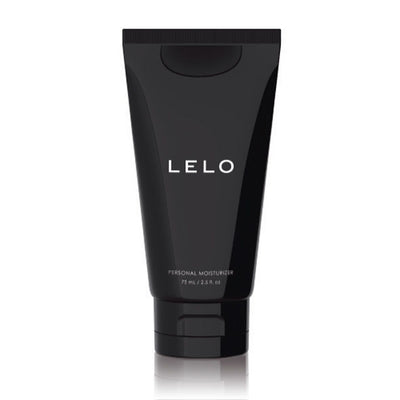
The LELO Aloe Vera intimate moisturiser at €24.99 belongs to this category. Apply it regularly rather than reactively, and give it three to four weeks.
When to ask for a prescription
Here is the part that too often goes unsaid, and it matters more than any product on this page.
Local hormonal treatments exist. Low-dose vaginal oestrogen, in cream or pessary form, acts directly on the mucosa with minimal systemic absorption. For many women — particularly after menopause — it transforms comfort in a way no lubricant can approach.
These are distinct from systemic hormone replacement therapy, they are well tolerated, and they are substantially under-prescribed, largely because the subject never comes up in a short appointment.
If dryness has lasted months, if it causes pain, or if lubricant is not enough, ask explicitly: « is there a local treatment that would suit me? » It is an ordinary question, and the answer is often yes.
One nuance worth knowing: after a hormone-dependent cancer, the use of local oestrogen is a genuinely debated medical question. Not a blanket prohibition, not an obvious yes — it is a decision for your oncologist.
When it has become painful
Dryness that persists causes pain, and pain creates its own loop: apprehension leads to tension, tension leads to more pain. At that point you are treating two problems rather than one.
If penetration hurts, the dryness may no longer be the whole story — see our guide to painful sex. And in the meantime, external stimulation keeps a sex life going while the cause is treated, which matters more than people expect.
Frequently asked questions
Does dryness mean I have lost interest?
No. Lubrication is hormonal and vascular. Desire and physical response are two different systems, and they disagree more often than they agree.
Is a lubricant enough?
For occasional dryness, usually yes. For established dryness it only compensates — a moisturiser, and often a local hormonal treatment, are what change the underlying situation.
Which lubricant for sensitive tissue?
Water-based, fragrance-free, glycerin-free, no warming or cooling agents, pH around 4. Avoid the flavoured ranges entirely.
Should I wash more thoroughly?
No — less. Intimate washes and douching are a common cause of dryness. Plain water on the vulva, nothing inside the vagina.
How long before a moisturiser works?
Three to four weeks of regular use, two or three times a week. It is a treatment for the tissue, not an immediate fix.
Is dryness permanent after menopause?
Untreated it tends to persist and worsen, because the tissue continues to thin. Treated — particularly with a local hormonal treatment — comfort is very often restored.
Can medication cause this?
Yes, commonly: antihistamines, some antidepressants, certain blood pressure treatments. If it started with a new prescription, note the dates and mention it.
In short
Dryness is not a verdict on your desire. It is hormonal, medication-related, or the result of products that should not be going anywhere near the area.
Match the tool to the problem: a lubricant for the moment, a moisturiser for lasting dryness, and stop washing inside.
And if it has gone on for months, ask your doctor about a local treatment. It is the most effective option available and the one least often offered.
Our lubricants and intimate care complete this reading.